Trump fordert bedingungslose Kapitulation und äußert sich zu Chamenei
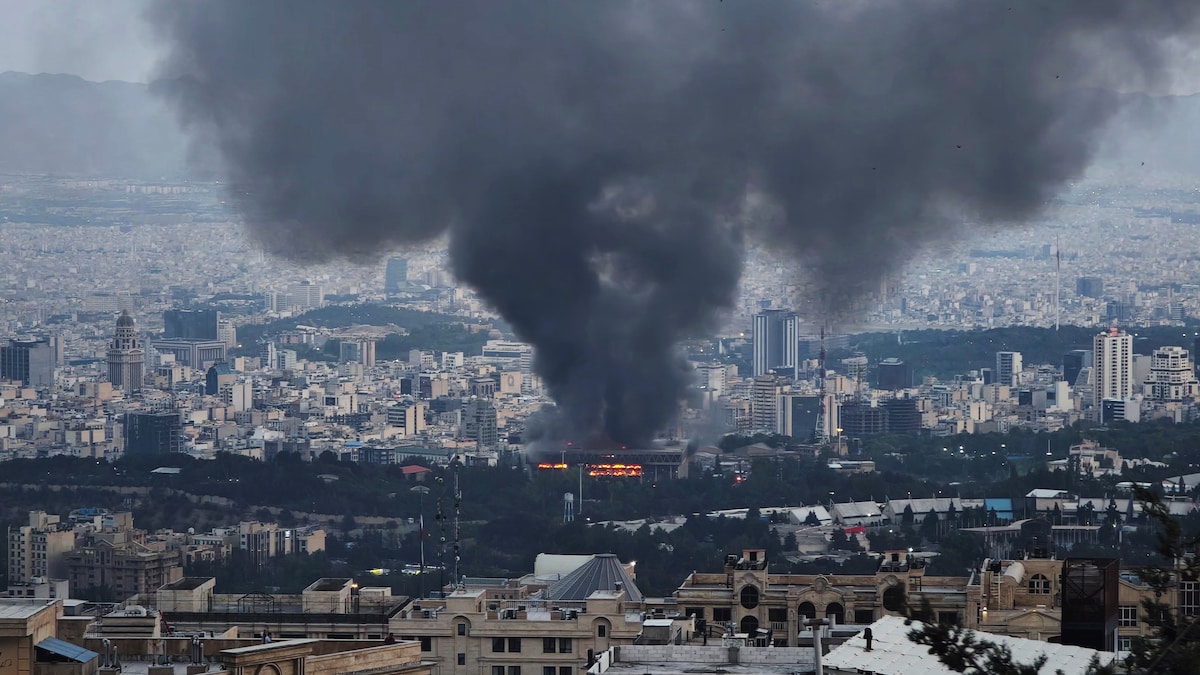
Conflict in the Middle East
Author: Paul Nikolas Hinz
Overview of the Situation
The ongoing conflict in the Middle East has deep historical roots and complex geopolitical implications. Various nations and factions are engaged in a struggle that shapes not only the region but also global dynamics.
Historical Context
To understand the current state of affairs, one must consider the historical events that have led to this turmoil. Territorial disputes, colonial legacies, and external interventions have all played significant roles in fueling tensions among different groups.
Current Dynamics
Today, the conflict involves a range of stakeholders, including state and non-state actors. The interplay between local grievances and international interests complicates peace efforts and prolongs instability.
Impact on Civilians
As the conflict persists, ordinary people bear the brunt of the violence. Displacement, loss of life, and humanitarian crises are rampant, putting immense pressure on neighboring countries and international organizations to respond.
Future Prospects
Looking ahead, resolving the conflict will require unprecedented cooperation among involved parties. Engaging in dialogue and addressing underlying issues may pave the way for a more stable and peaceful future.
Conclusion
The situation in the Middle East remains fluid and challenging. Continued attention and action from the global community are essential in seeking lasting solutions to this enduring conflict.